
News
News Details

28
Aug
Menopause Is Not the End — It Is the Beginning of Selfhood
An Easy Ayurveda × Science Guide with Dosha-Wise Diet
Menopause is often spoken about with fear, confusion, and silence. But menopause is not a disease — it is a natural biological and neurological transition. With the right understanding, it can become the most stable, powerful, and self-aware phase of a woman’s life.
This blog will help you understand:
• What menopause really is
• Why symptoms happen
• How Ayurveda explains it
• What to eat according to your body type (dosha)
What Menopause Really Is (In Simple Words)
Scientifically, menopause occurs when the ovaries gradually stop releasing
eggs and hormones like estrogen and progesterone decline.
Menopause is primarily a brain and nervous system adjustment — not just
a hormonal issue. The brain regulates sleep, mood, temperature, stress,
and metabolism, which explains common menopausal symptoms.
Why Menopause Feels Difficult for Many Women
Fear, lack of education, emotional suppression, and chronic stress
intensify menopausal symptoms. Lower estrogen reduces emotional buffering,
making stress feel stronger.
Understanding menopause removes fear — and healing begins.
Menopause in Ayurveda: A Natural Energy Shift
Ayurveda calls menopause Rajonivritti — a natural completion of the
menstrual cycle. During this phase, Vata dosha increases,
affecting the nervous system, sleep, and emotions.
This is not decline — it is transition toward inner awareness.
Menopause is an inner rebirth — a shift from living for others to finally living in alignment with yourself.
Understanding Menopause Through Doshas
Vata Menopause: Anxiety, insomnia, dryness, joint pain
Pitta Menopause: Hot flashes, anger, night sweats
Kapha Menopause: Weight gain, fatigue, low motivation
Vata Menopause Diet (Calming & Nourishing)
Warm khichdi, soups, cooked grains, ghee, sesame oil,
warm milk with turmeric, soaked almonds.
Avoid cold foods, raw salads, excess caffeine.
Pitta Menopause Diet (Cooling & Anti-Inflammatory)
Coconut water, bottle gourd, cucumber, rice,
moong dal, fennel water, aloe vera juice.
Avoid spicy food, alcohol, late-night meals.
Kapha Menopause Diet (Light & Metabolism-Boosting)
Millets, steamed vegetables, sprouts,
buttermilk with ginger, light soups.
Avoid sugar, fried foods, excess dairy.
Menopause Superfoods for All Women
Flaxseeds, pumpkin seeds, sesame seeds,
turmeric, and triphala for hormone,
bone, and gut support.
Simple Lifestyle Tips for a Smooth Transition
Sleep before 10:30 PM, eat at regular times,
practice gentle yoga and walking,
use slow breathing or pranayama,
and prioritize rest.
Final Message for Every Woman
Menopause is not something to fight.
It is a nervous system reset and a movement
toward inner strength, clarity, and confidence.
This is not the end of womanhood —
it is the beginning of living for yourself.
How Yoga Helps in Menopause
1️. Balances Hormones Naturally
- Gentle asanas & pranayama stimulate the endocrine system
- Helps regulate fluctuating estrogen & progesterone
- Reduces hot flashes, night sweats, mood swings
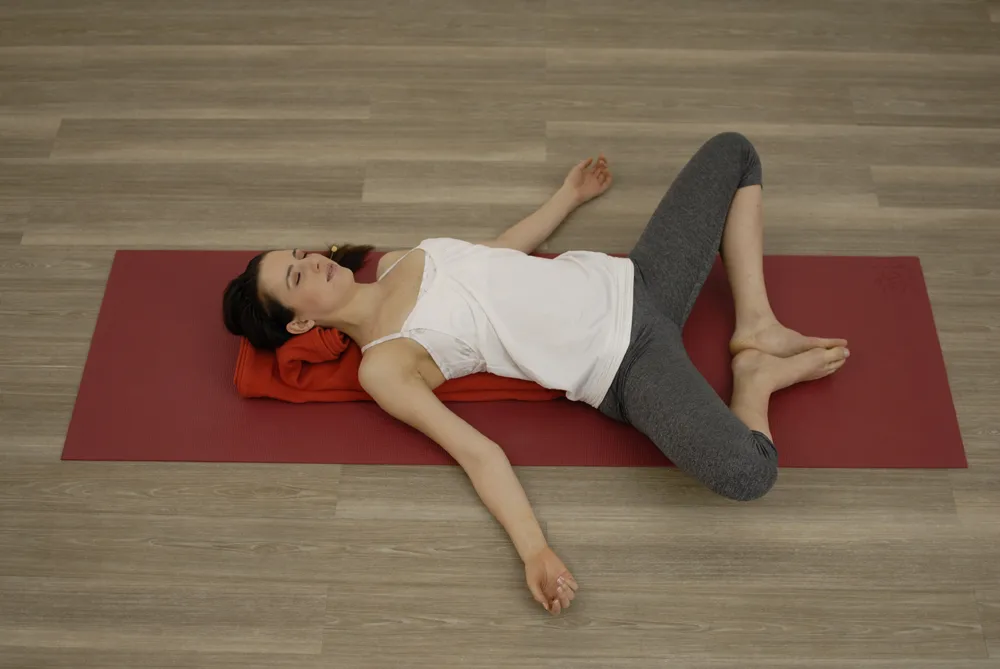
Supta Baddha Konasana

Setu Bandhasana

Viparita Karani
2️. Reduces Stress & Mood Swings
- Yoga calms the nervous system and balances emotions
- Helps with irritability, sadness, low motivation
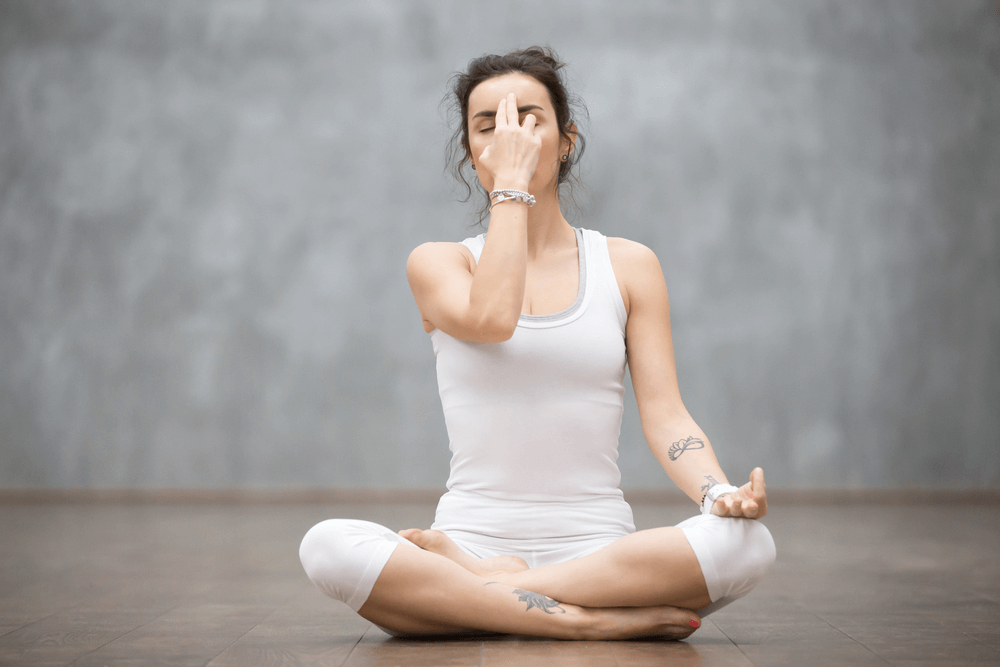
Anulom Vilom

Bhramari
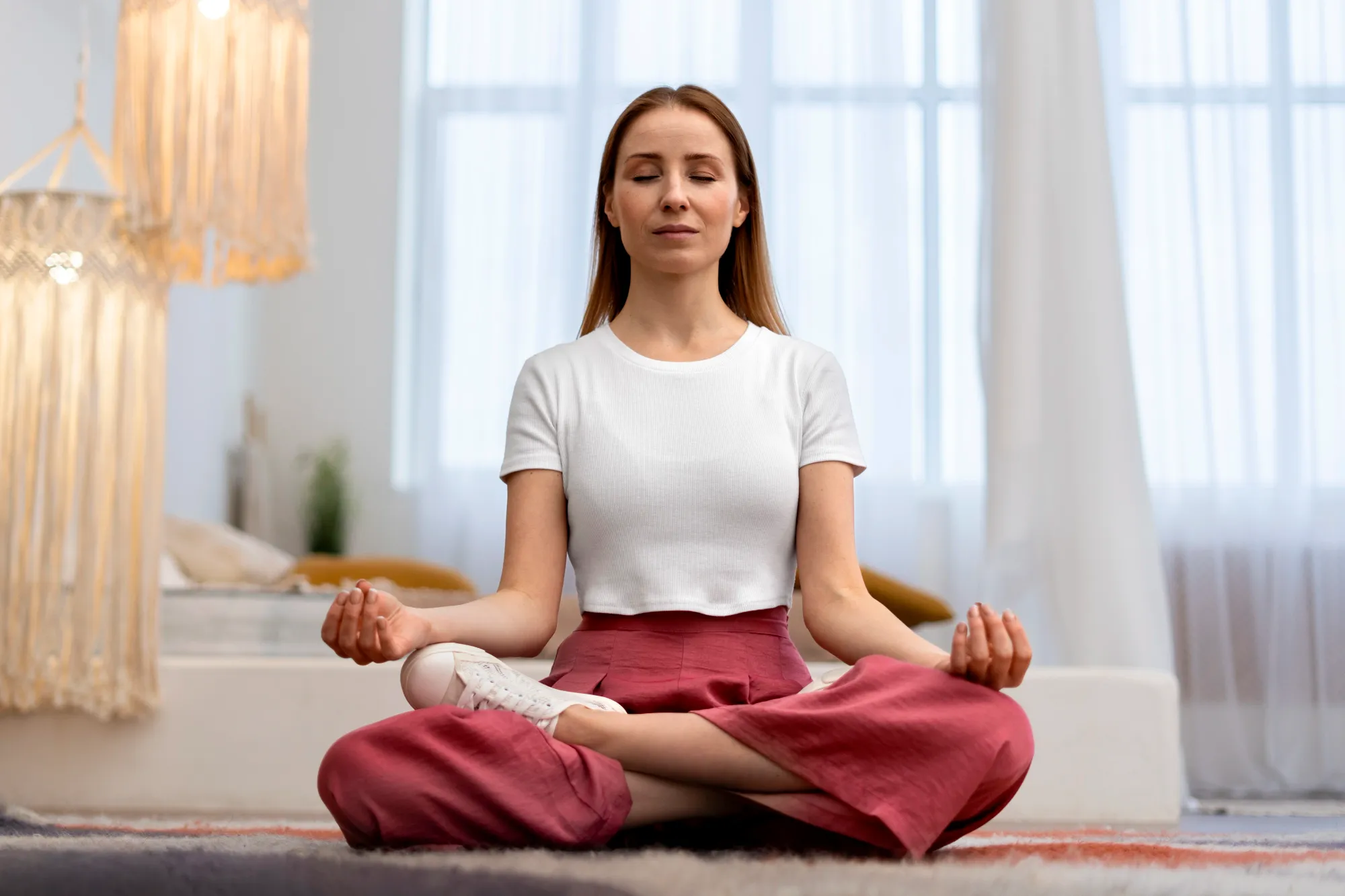
Meditation
3️. Improves Sleep Quality
- Relaxes mind and body
- Supports deeper, restorative sleep
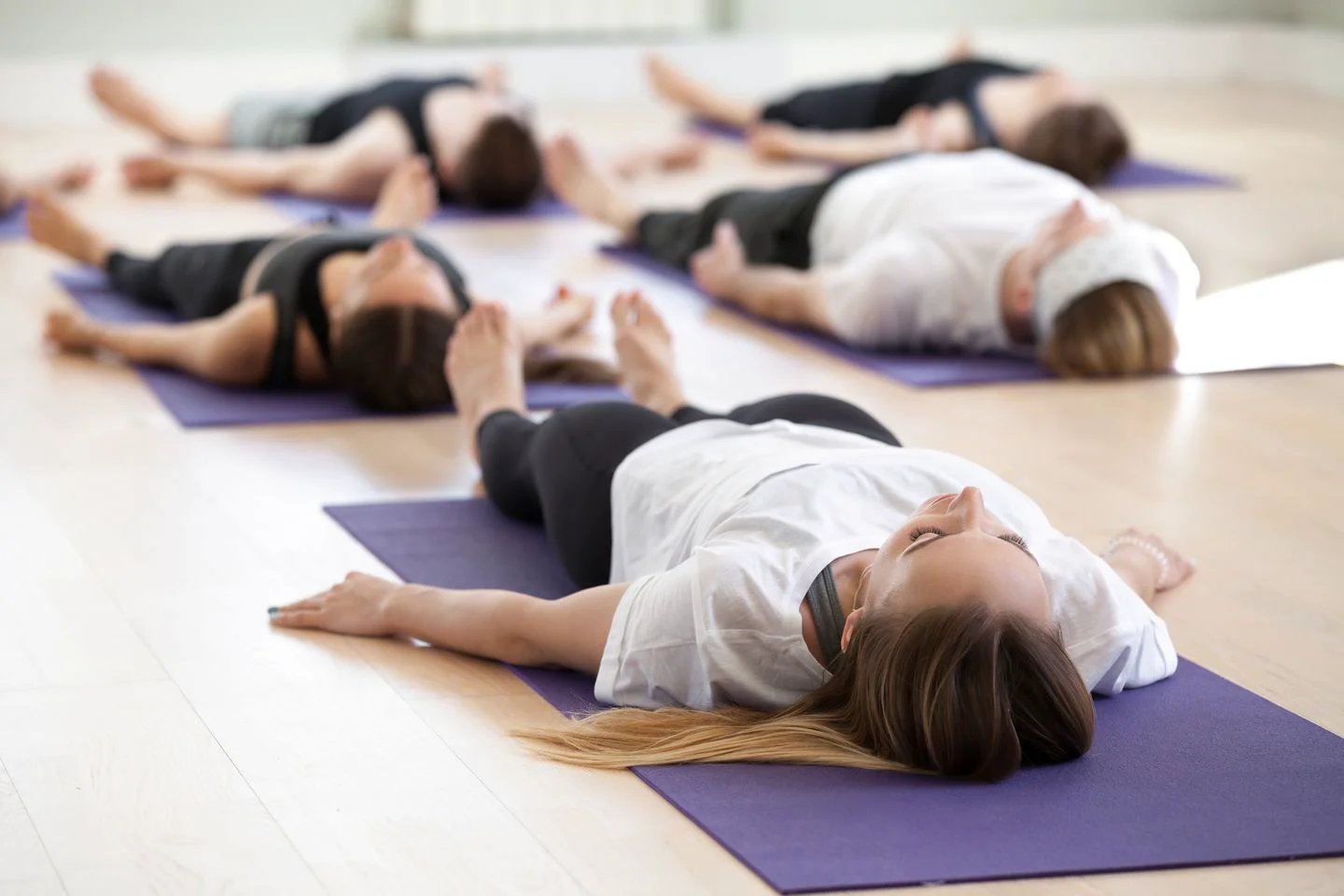
Yoga Nidra
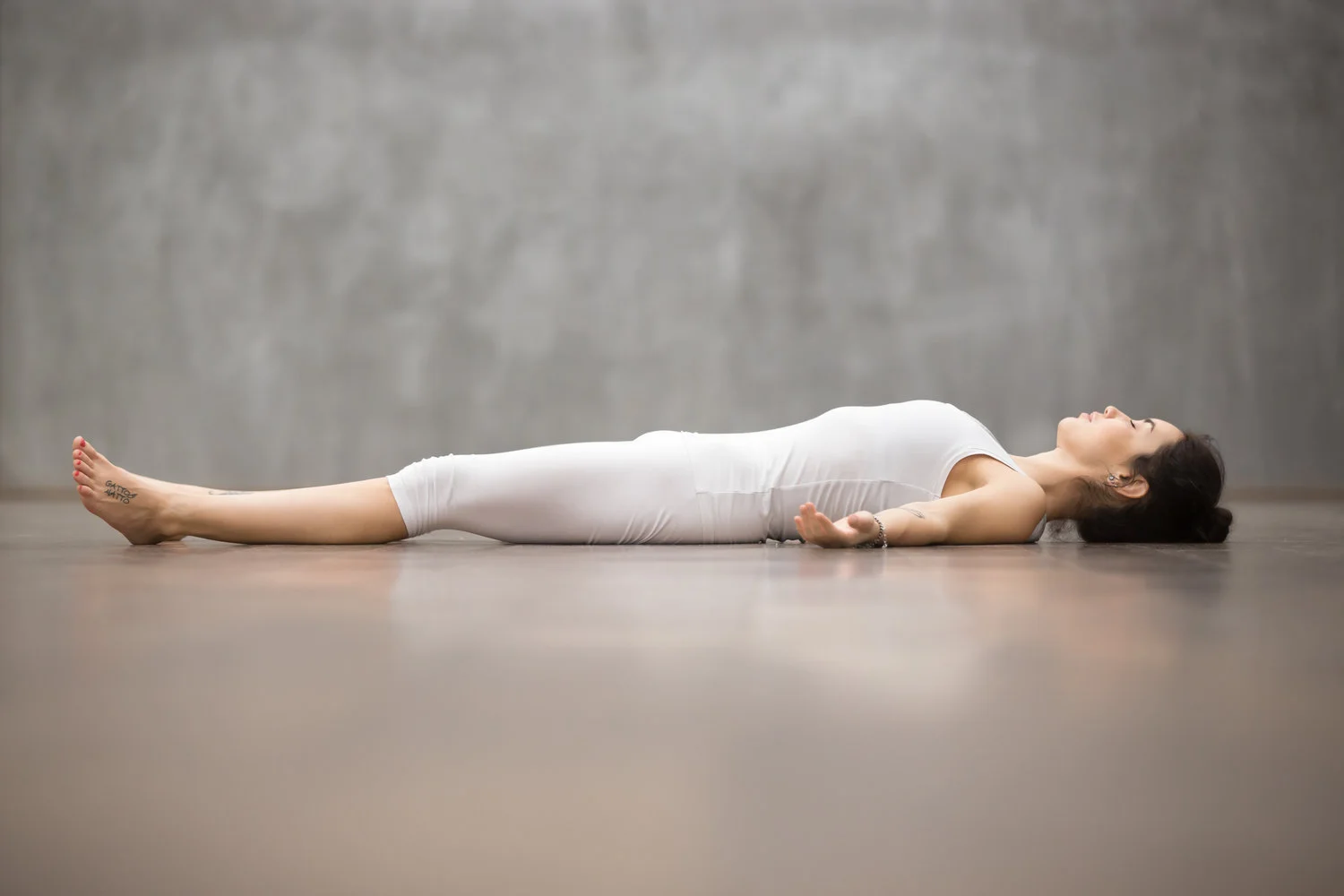
Shavasana

Chandra Bhedana
4️. Supports Weight Management
- Boosts metabolism and digestion
- Reduces menopausal weight gain
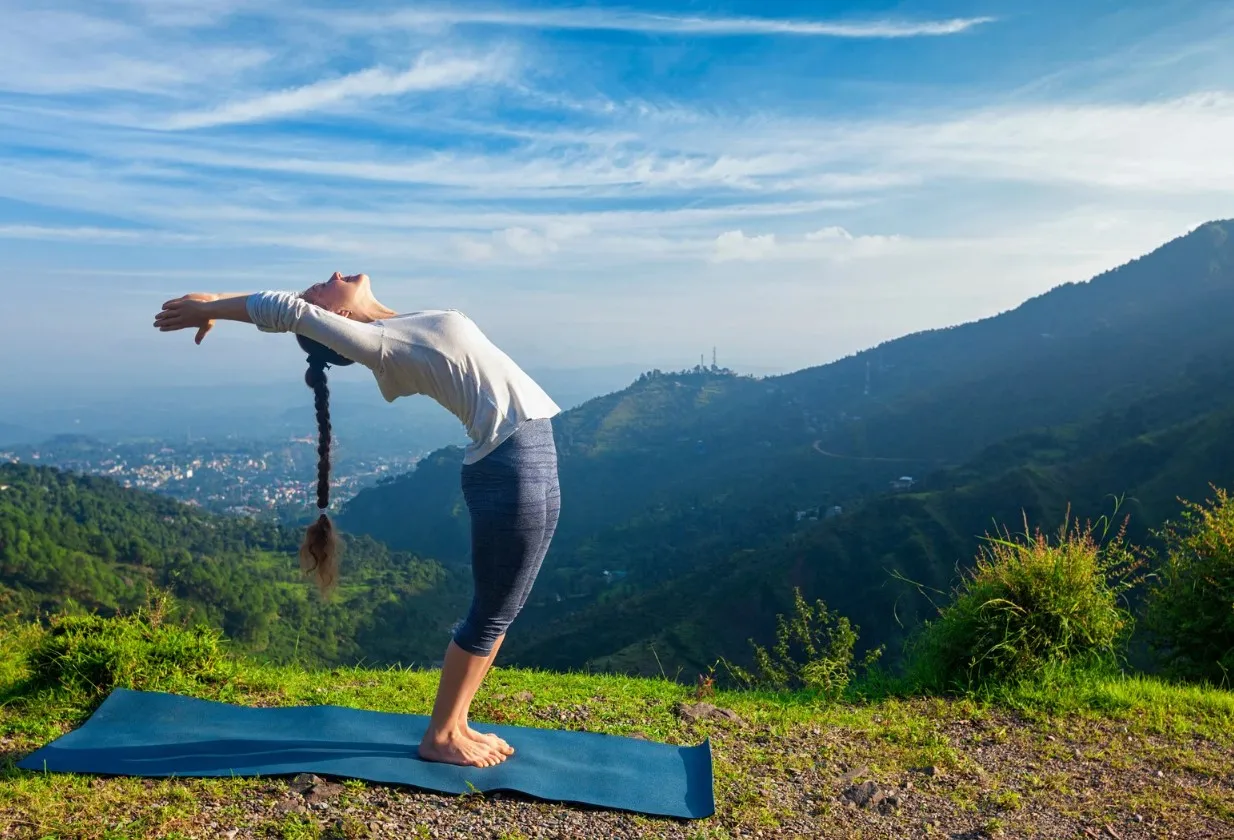
Surya Namaskar (Gentle)

Trikonasana

Utkatasana
5️. Strengthens Bones & Prevents Osteoporosis
- Weight-bearing asanas improve bone density & joints

Virabhadrasana

Tadasana
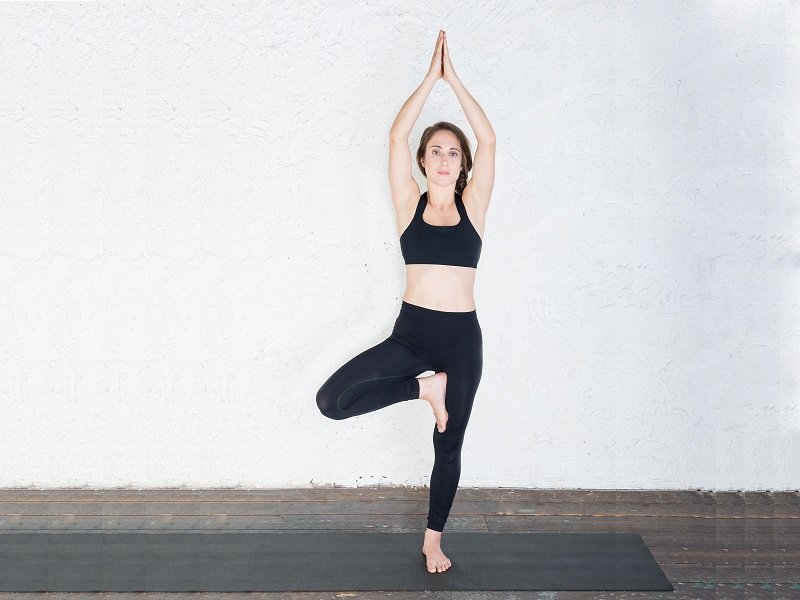
Vrikshasana
6️. Improves Heart Health
- Enhances circulation and regulates blood pressure
Setu Bandhasana
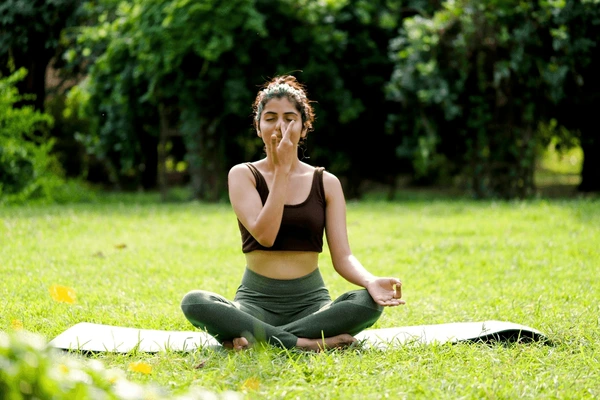
Pranayama
Daily Yoga Routine (20–30 mins)
- Gentle warm-up – 5 min
- Asanas – 10–15 min
- Pranayama – 5–7 min
- Meditation / Yoga Nidra – 5 min
Key Message
Menopause is a transition, not a disease. Yoga helps you move through it with
grace, strength, and balance—physically and emotionally.
Recent Comments
Anita Sharma on
Yoga for Menopause Relief
Meena Kapoor on
Hormonal Balance Through Yoga
Ritu Malhotra on
Stress Relief & Mindfulness
Pooja Verma on
Improving Sleep with Yoga